Last updated: August 10, 2026
- Quick Answer: For how much emergency fund do I need my situation?
- That gives a far better answer to how much emergency fund do I need my situation?
- A safer answer to how much emergency fund do I need my situation?
- So how much emergency fund do I need my situation?
Quick Answer: For how much emergency fund do I need my situation?, I’d start with 1 month of bare-bones expenses if money is tight, aim for 3 months when your income is steady, and push toward 6 months or more when your job is unstable or your household has higher risk. The Consumer Financial Protection Bureau recommends building an emergency savings cushion, and the FDIC also advises keeping savings safe and accessible. For most people asking, “How much emergency fund do I need?” the answer depends on rent, debt, job security, dependents, and how fast income could be replaced in a crisis.
The simplest way I size an emergency fund
I never begin with a tidy round figure. Monthly necessities come first.
Strip life down for a bit, and you get the real list:
- rent or mortgage
- utilities
- groceries
- transportation
- insurance
- minimum debt payments
- child care you cannot pause
- prescriptions and basic medical costs
Multiply that total by the number of months you would need to stay afloat if income stopped or dropped. That gives a far better answer to how much emergency fund do I need my situation? than a generic savings target. Clean, but not cute.
A quick rule of thumb:
- 1 month: you are building your first cushion or living on very tight cash flow
- 3 months: you have stable income and manageable expenses
- 6 months: your income is less predictable, or your household has more moving parts
- 9 to 12 months: you are single-income with dependents, self-employed, commission-based, or working in a field where layoffs can drag on
I would not treat those as rules carved in stone. They are starting points, nothing more. A safer answer to how much emergency fund do I need my situation? is the one that lets you sleep at night without parking too much cash in low-yield accounts that could be doing a different job.
What your situation changes
Using someone else’s number is the usual mistake. A renter in a cheap apartment with one steady paycheck does not need the same emergency fund as a family in a high-cost city with one income and a mortgage. So how much emergency fund do I need my situation? has to start with your own monthly bills.
Here is how I think about it.
If your income is stable
Salaried workers with decent job demand, and the ability to land something similar without a long gap, can often aim for three months of essentials. When expenses are low and the support network is solid, you might feel fine with less while you also fund retirement or pay off high-interest debt.
If your income varies
Freelance, hourly, seasonal, commissioned, or small-business income needs a bigger cushion. Income swings are their own emergency. In that case, six months is often the floor, and some people need more. The math gets squirrelly fast when paychecks wobble.
If you have dependents
Kids, aging parents, or anyone relying on your paycheck changes the equation. I would lean toward a larger fund and a slower ramp-up to riskier investments. The point is not only replacing your income. It is keeping the household stable.
If you own a home
Homeownership adds repair risk. A busted water heater, roof leak, or HVAC failure can hit hard and without warning. A landlord usually absorbs those shocks. A homeowner often cannot. That nudges many people toward a bigger cash buffer.
If you carry high-interest debt
This is where people get stuck. Should you build savings or pay debt? I usually split the difference: keep a small starter fund first, then attack expensive debt, then build the emergency reserve to your full target. A tiny cash cushion matters because life does not stop while you pay down a credit card.
If your industry is cyclical
When layoffs tend to cluster where you work, I would be more conservative. Even a person with strong credentials can need time to replace income when an entire sector slows down. In that case, how much emergency fund do I need my situation? often means planning for a longer job search, not just one missed paycheck.
A practical emergency fund table
I like making the target visible. Use this as a rough guide, then adjust for your own life.
| Situation | Suggested emergency fund | Why this range makes sense |
|---|---|---|
| Student or new graduate with help from family | 1 month of essentials | Short runway, low fixed costs, but still needs cash for a surprise |
| Single renter with stable salary in Seattle, Portland, or Spokane | 3 months of essentials | Stable job can justify a moderate cushion if expenses are controlled |
| Household in the Eastside, Tacoma, or Bellevue with mortgage and childcare | 6 months of essentials | Higher fixed costs and more obligations make disruption expensive |
| Freelancer or contractor anywhere in Washington | 6 to 12 months of essentials | Income gaps can last longer than a normal layoff |
| Single-income family | 6 months or more | One paycheck supports the whole household |
| Homeowner with an older house in Seattle, Everett, or Olympia | 6 months plus a home repair buffer | Repairs and maintenance are harder to defer |
| Retiree living on fixed income | Cash reserve plus a separate plan for medical and home shocks | The risk is not new income loss, but unexpected spending |
I mentioned Washington cities because local cost pressure matters. A renter in Spokane or Tri-Cities can often hold a smaller dollar fund than someone paying Seattle or Bellevue prices, even if both aim for the same number of months. Same formula. Different number.
How local costs change the target when you live in the Puget Sound area
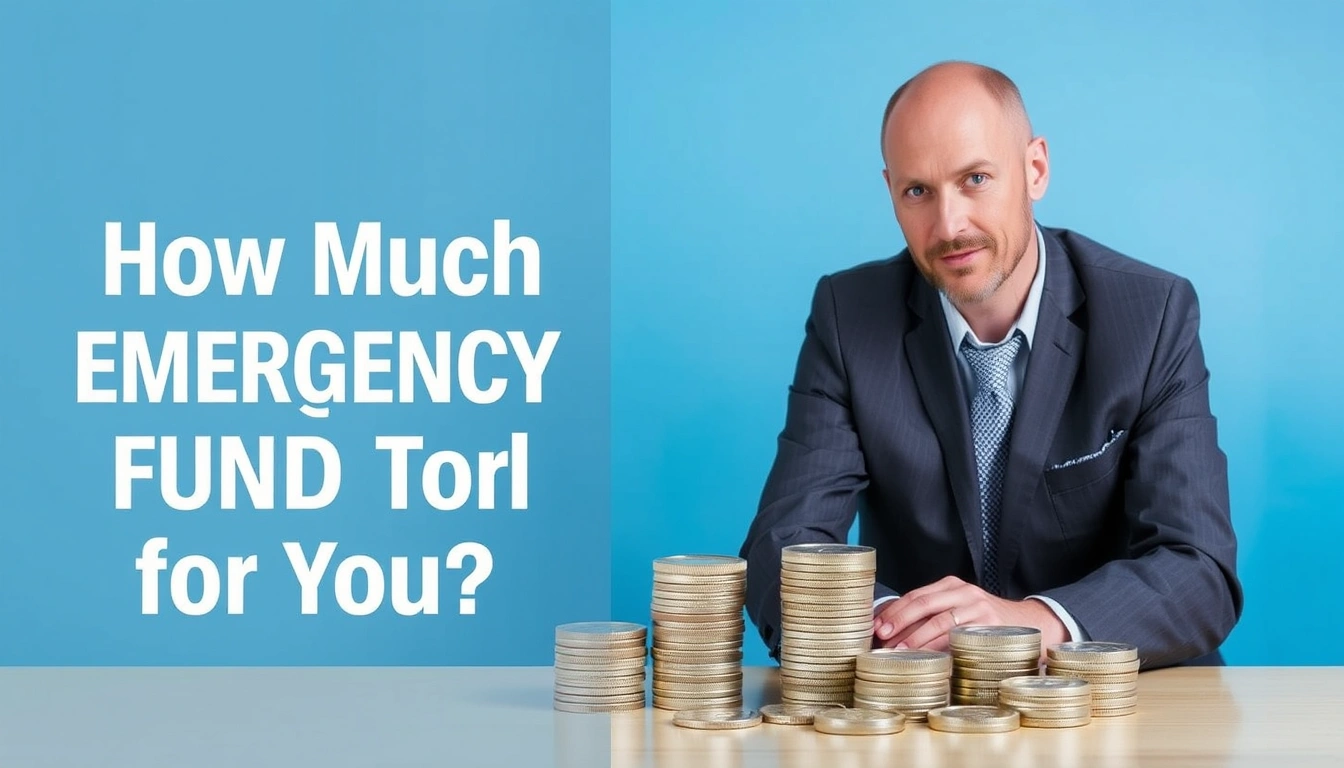
A generic article pretends “three to six months” means the same thing everywhere. It does not.
Should you live in Seattle, Bellevue, Kirkland, Redmond, or on the Eastside, baseline expenses are usually higher than in smaller inland markets. That means the same number of months produces a larger cash target. When rent, mortgage, childcare, and transportation already eat most of your paycheck, I would tilt toward a larger reserve, because a short interruption hurts more.
Should you be in Tacoma, Everett, Olympia, or Bellingham, the monthly total may be lower, but weather, commute costs, and older housing stock can still create surprise expenses. A leaky roof in a rain-heavy climate does not care that you planned a tight budget. Brutal, really.
For people in Spokane, Yakima, the Tri-Cities, or Wenatchee, the emergency fund math may look easier because housing is often less expensive than in Seattle. Still, watch for seasonal income swings, heating costs, and car dependence. A broken car can become an emergency fund event fast when you cannot walk or bike to work.
The city name is not the point. The point is that your emergency fund should match the cost of surviving in the place you actually live. That is the most useful way to answer how much emergency fund do I need my situation? when you live in a high cost region.
What to keep in the fund, and where to keep it
Your emergency fund should be easy to reach, safe from market swings, and separate from spending money.
I would usually keep it in:
- a high-yield savings account
- a money market account at a bank or credit union
- a regular savings account if speed matters more than interest
I would not put emergency savings in stocks, crypto, or anything that can drop sharply right when you need the money. Fine for long-term investing. Bad for rent after a job loss.
One trade-off: cash loses buying power over time, so holding too much of it can feel inefficient. Fair. I still prefer a little too much cash over a fund that is hard to access when a layoff, illness, or car repair lands at the wrong time.
If you already have a basic fund in place, the next question is whether to add more to it or redirect new money to retirement, a down payment, or debt payoff. There is no one-size answer. I would make that choice based on which risk is most likely to hit your household in the next year, and I would compare that decision with what you read on where to keep emergency savings, paying off high-interest debt, and how much to save for retirement.
How to build it without stalling your whole budget
You do not need to save the full amount at once. Most people cannot.
I would build it in layers:
-
Start with one small target
A starter fund of a few hundred to a month of essentials can stop a minor setback from becoming debt. -
Automate transfers
Move money on payday so saving happens before you spend. -
Use windfalls on purpose
Tax refunds, bonuses, gifts, and side-income spikes can help, but I would not rely on them. -
Pause the fund when needed
When a true emergency happens, use it. That is what it is for. -
Recheck the target once a year
Rent rises, a new child arrives, a move changes your commute, or a job change alters your risk. The number should move with your life.
A good gut-check: if income vanished next month, what would actually break first? That is what your emergency fund should cover.
Who needs a bigger fund, and who can keep it smaller
I would aim higher if any of these are true:
- you are self-employed or freelance
- your industry is volatile
- you support children or other dependents
- you own a home with older systems
- you have limited access to family help
- replacing your income would likely take longer than average
- your health situation could create higher out-of-pocket costs
- you live in a high-cost area like Seattle, Bellevue, or the Eastside
You may be comfortable with a smaller fund if:
- your income is stable and easy to replace
- you have very low fixed expenses
- you have strong backup support
- you rent and have few maintenance costs
- you are aggressively paying off expensive debt and have a starter cushion already
One honest limitation: a bigger emergency fund is not always the best next dollar. If you have high-interest debt, no retirement savings, and a very secure job, I would not automatically pile up six months of cash before doing anything else. That can be too cautious. When you are unsure, a financial planner or other licensed professional can help you weigh the trade-offs for how much emergency fund do I need my situation?
Emergency fund questions I hear most often
How much emergency fund do I need if I live paycheck to paycheck?
Start with a starter fund, even if it is small. The goal is to keep one flat tire or medical bill from turning into overdraft fees or credit card debt. Then build toward one month of essentials.
Is three months enough?
For many salaried people with stable jobs, yes. But if your expenses are high, your household depends on one income, or your field is shaky, I would treat three months as a minimum rather than a finish line.
Should I include my credit card limit as part of my emergency fund?
No. Available credit is not the same as cash. It can help in a pinch, but it is debt, and it can disappear or become expensive very quickly.
I need money fast. Can I get an emergency fund the same day?
Should you not already have savings, the same-day question is really about where to move money from and how fast you can access it. A local bank or credit union in Seattle, Tacoma, Olympia, Spokane, or wherever you live may let you transfer or withdraw funds quickly, but policies vary. For a true emergency, call the institution first and ask about access times and any limits.
Are free estimates or local financial consultations worth it?
For emergency fund planning, I would be cautious about anyone trying to sell a product before understanding your budget. A free consultation can help if you want a second set of eyes, but the core math is simple enough to do yourself. Should your situation be complex, a licensed financial professional can help you sort through trade-offs.
My bottom line
If you want the cleanest answer, I would use this:
- 1 month if you are just starting and cash is tight
- 3 months if your income is steady and your expenses are manageable
- 6 months if your job, household, or housing situation adds risk
- 6 to 12 months if your income is variable or your bills are hard to pause
Then I would adjust for where you live, because a budget in Seattle is not the same as a budget in Spokane, and a mortgage in Bellevue is not the same as renting in Tacoma. The right emergency fund is not a magic number. It is the amount that keeps one bad month from turning into a financial collapse.
If you want a final test, ask this: Could I absorb a job loss, a medical bill, and a car repair without borrowing at a bad time? If the answer is no, your emergency fund is too small.