Last updated: November 20, 2026
Quick answer: choose the account that makes saving automatic, obvious, and hard to mess up: a high-yield savings account with sub-accounts if you want labeled buckets, or a money market account if you want one home for cash and easier transfer features. The right pick for How to Choose an Emergency Fund Account With Sub-Accounts and Automatic Transfers is the one that fits your banking app, transfer limits, and the way you actually save, not the one with the fanciest rate headline.
For How to Choose an Emergency Fund Account With Sub-Accounts and Automatic Transfers, the main test is whether the account supports one scheduled move, clear labels, and simple visibility in online banking. The FDIC and the Consumer Financial Protection Bureau both steer savers toward accounts that are easy to use and understand, not accounts that create extra steps. FDIC and CFPB.
Key takeaways
-
Sub-accounts matter most when the money needs labels, not when it just needs a place to sit.
-
Automatic transfers beat good intentions, because a scheduled move removes one decision from your month.
-
A money market account can be the better fit if you want cash access plus banking features in one place.
-
A high-yield savings account is often stronger when the goal is simple, separate, low-friction emergency saving.
-
The wrong account is the one that makes you think about the money too often or too little.
How do you choose it step by step?

Choose it by matching the account’s tools to the job: automatic transfer for habit, sub-accounts for order, and online banking for visibility. If the account cannot do those three things cleanly, it is not a good emergency fund home.
-
Check the bank’s sub-account feature in the online banking menu before opening the account. Look for labels, nicknames, or buckets that keep rent, car repair, and true emergencies apart.
-
Set a transfer schedule inside the bank app so money moves on a date you already remember, such as payday.
-
Label each sub-account with a plain name you will understand in a stressful month, not a clever one.
-
Compare the account type to a money market account, because some people need a check-writing style feature or debit access more than a bucket system.
-
Review the transfer rules in the account terms, since automatic movement only helps if the bank actually lets it run the way you expect.
The consumer finance idea behind this is simple: an emergency fund should be easy to fund and hard to raid. The FDIC and the Consumer Financial Protection Bureau both point people toward accounts that are easy to use and understand, not accounts that create extra steps.
What should sub-accounts do for an emergency fund?
Sub-accounts should give the emergency fund a clean structure without forcing a separate bank for every goal. That means one main savings home with smaller labeled spots inside it, so the money is still organized even when it is sitting in one place.
This feature is most useful when the problem is mental clutter. If one balance has to cover car repairs, medical bills, and job loss, sub-accounts let the money be split on screen without being scattered across different institutions. That matters because a reader on a phone needs quick clarity, not a spreadsheet hunt.
Sub-accounts are not worth much if the bank hides them behind a bad app or makes transfers awkward. The feature should reduce confusion, not create another place to forget money exists. If the labels cannot be seen in online banking in a few taps, the feature is weaker than it sounds.
This is where a good emergency fund account differs from a plain savings account with a shiny rate. The label system is the real value, not the decoration. For a plain-savings comparison, see savings account basics.
How do automatic transfers change the decision?
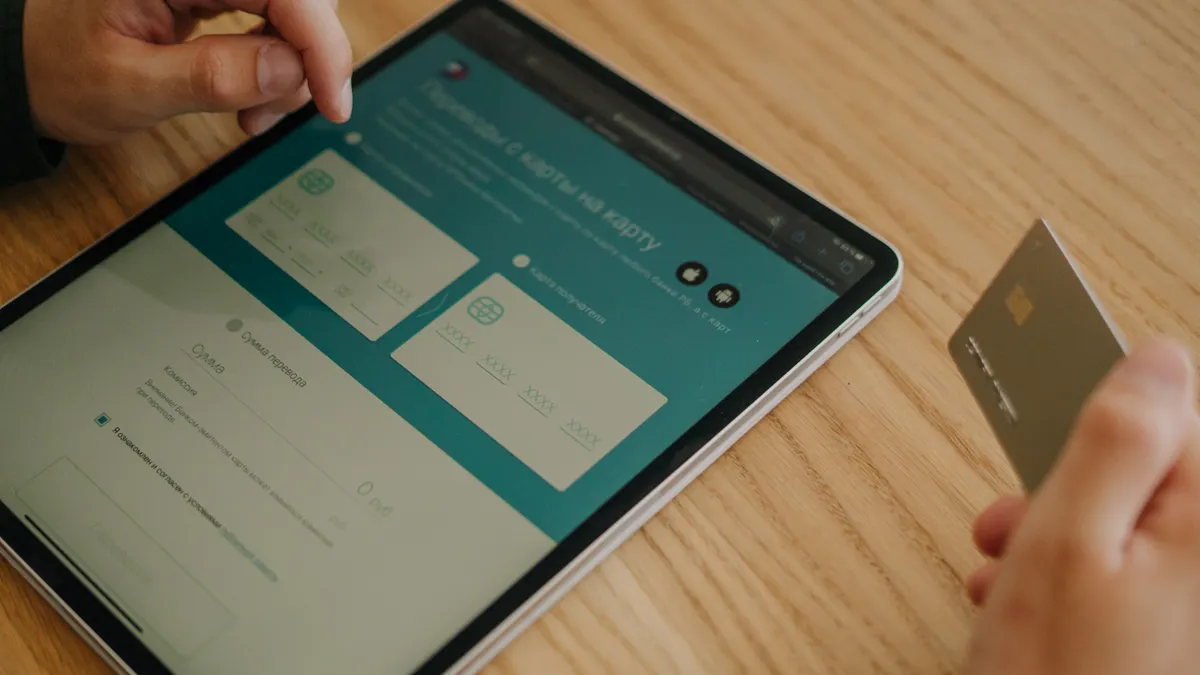
Automatic transfers change the decision because they turn emergency saving into a monthly system instead of a memory test. If the account can move money on its own schedule, the emergency fund grows even when attention is low.
That is a big reason this feature matters more than a small rate difference for many people. A rate helps the balance grow, but a transfer keeps the balance growing in the first place. The account should let money move from checking to savings without a fresh decision every time.
Therefore, the best setup is often a transfer that happens on a date that already has meaning in your budget. Payday is the cleanest choice for most people because the transfer happens before the money gets absorbed by other spending. A bank that supports scheduled transfers inside online banking makes that easier than a bank that expects manual moves.
Automatic transfers do have a drawback: they can move money too aggressively if the schedule is too large. That can create overdrafts or force you to cancel the transfer later. The account should be flexible enough to pause or edit the schedule without a support call. If you need a transfer refresher, see automatic transfers.
High-yield savings account with sub-accounts: who should use it?
A high-yield savings account with sub-accounts is often the better choice for someone who wants a clear emergency fund first and a cash-management feature second. It fits the saver who wants labeled buckets, scheduled transfers, and a simple place to park money without extra banking tools getting in the way.
This option is usually strongest when organization matters more than check-writing or debit access. It is also the cleaner fit if the emergency fund is meant to stay separate from day-to-day spending. The account’s job is to hold money, show the labels clearly, and let automatic transfers do the work.
The weakness is that some high-yield savings setups feel limited if you want more than savings buckets. If the account does not support the transfer behavior you want, the sub-accounts become neat but not useful. That is a real drawback, because the whole point of the feature is control.
This option is not for someone who needs the account to act like a checking backup. If you want payment tools or more flexible access, sub-accounts alone will not solve that problem. In that case, the account may be too neat for the way you actually use cash.
Money market account: when does it win?
A money market account can win when the reader wants emergency cash plus more everyday banking feel in one place. It is the better fit if the goal is not just to store money, but to keep it close enough for transfers, withdrawals, or other account features that matter in a real emergency.
This type of account can make sense for someone who dislikes juggling separate accounts and wants a central cash hub. If the bank’s online banking app shows balances clearly and makes automatic transfer setup easy, the account can do the job without much friction. That is especially useful when the emergency fund also needs to stay liquid. See also money market account features.
The downside is that a money market account can tempt people into using the fund too casually. When the account feels more like a transactional tool, the boundary around the emergency fund can get blurry. That is the main risk: convenience can weaken the wall between savings and spending.
It can be the weaker pick if the only thing you need is a simple bucketed savings home. If the account features are there but the organization is clunky, the extra flexibility does not help much. A simpler sub-account setup can be the better tool.
How should you compare them side by side?
Compare them by which feature actually solves your problem: labels, transfer control, access, and clarity inside online banking. A rate headline by itself should not decide the account, because this choice is mainly about behavior design.
Criteria
High-yield savings with sub-accounts
Money market account
Winner for this condition
Bucket organization
Usually stronger for labeled savings buckets
Can be less bucket-focused
High-yield savings if you want clear categories
Automatic transfers
Often strong for scheduled saving
Often strong, but varies by bank
Tie if the schedule is flexible
Online banking clarity
Usually simple and savings-first
Can mix savings and cash-management features
High-yield savings if you want less clutter
Access to cash
Usually more limited
Often more flexible
Money market account if access matters
Risk of overspending
Lower when it stays clearly separated
Higher if it feels too close to checking
High-yield savings if discipline is the issue
Need for one hub
Less ideal if you want one cash center
Better fit for one central account
Money market account if you want consolidation
Ease of labeling
Usually stronger
Depends on the bank
High-yield savings for clear labels
Fit for automation
Strong when transfers are built in
Strong when the bank supports scheduling well
The account with the cleaner transfer rules
Best use case
Structured emergency saving
Cash access plus savings features
Depends on your daily banking habits
The table makes the real trade-off plain: sub-accounts help order, while a money market account helps flexibility. If the reader wants a tidy emergency fund that mostly sits untouched, the savings account often wins. If the reader wants one account that can act like a cash hub, the money market account may fit better.
What should you check before you open it?
You should check the bank’s transfer rules, sub-account labels, and online banking display before you open anything. The account can look good on paper and still be wrong if the app hides the exact tools that matter.
Start with the transfer schedule. If automatic transfers only work on odd dates or are hard to edit, the account will fight the plan. Then check whether the sub-accounts show up clearly in the app and whether the labels are easy to change later. For bank safety details, the FDIC deposit insurance page is a useful reference.
Also check how the account handles limits, notices, and balance display. A feature that exists but is buried in a menu is not the same as a feature that helps every month. The goal is not to collect features; it is to make the emergency fund easy to fund and hard to confuse.
For this decision, the winner is usually the account with the best combination of online banking, sub-accounts, and automatic transfer controls, not the one with the longest feature list. That is the point many generic articles miss.
When should you reconsider this choice entirely?
You should reconsider both options if the account cannot stay separate from everyday spending or if the transfer setup is too awkward to maintain. An emergency fund should not need constant fixing.
The first exception is when you already know you will move money manually. In that case, sub-accounts and scheduled transfers matter less, and a simpler account may be enough. The second exception is when the bank’s app is weak and the labels are hard to read; then the structure becomes a nuisance instead of a help.
The third exception is when the emergency fund is small and every extra feature slows you down. If the account feels complicated from the start, the simplest savings home may be better than a feature-rich one. A fourth is when you need stronger cash access than a savings-first setup offers; then a money market account deserves a closer look.
Because of that, the clean rule is this: if the account helps you save without making the money feel spendable, it is doing its job. If it blurs that line, pick a different one.
Choose a high-yield savings account with sub-accounts if your top priority is labels, scheduled transfers, and a clean savings home. Choose a money market account if you want one cash hub with more flexible access and can still keep the emergency fund separate in practice. Neither if the account’s online banking, transfer rules, or sub-account setup makes the fund harder to manage than a plain savings account would.
Drafted with AI; not yet reviewed by a person.