Last updated: November 19, 2026
Key Takeaways
- A home cash reserve helps with problems that need fast fixes before banks reopen.
- Keep cash at home when speed matters more than earning interest.
- For many households, a few hundred dollars is enough.
- Store cash in a fireproof safe or secured lockbox, and consider professional advice for your home setup.
Keep part of your emergency fund in cash at home when you need money you can reach in minutes, not hours, and when a small physical reserve helps you handle a short interruption without touching a card, an app, or a bank transfer. For the topic of When to Keep Part of Your Emergency Fund in Cash at Home, this means a modest amount in a home safe, lockbox, or cash envelope—not the whole fund.
The short answer: keep cash at home for immediate, local problems
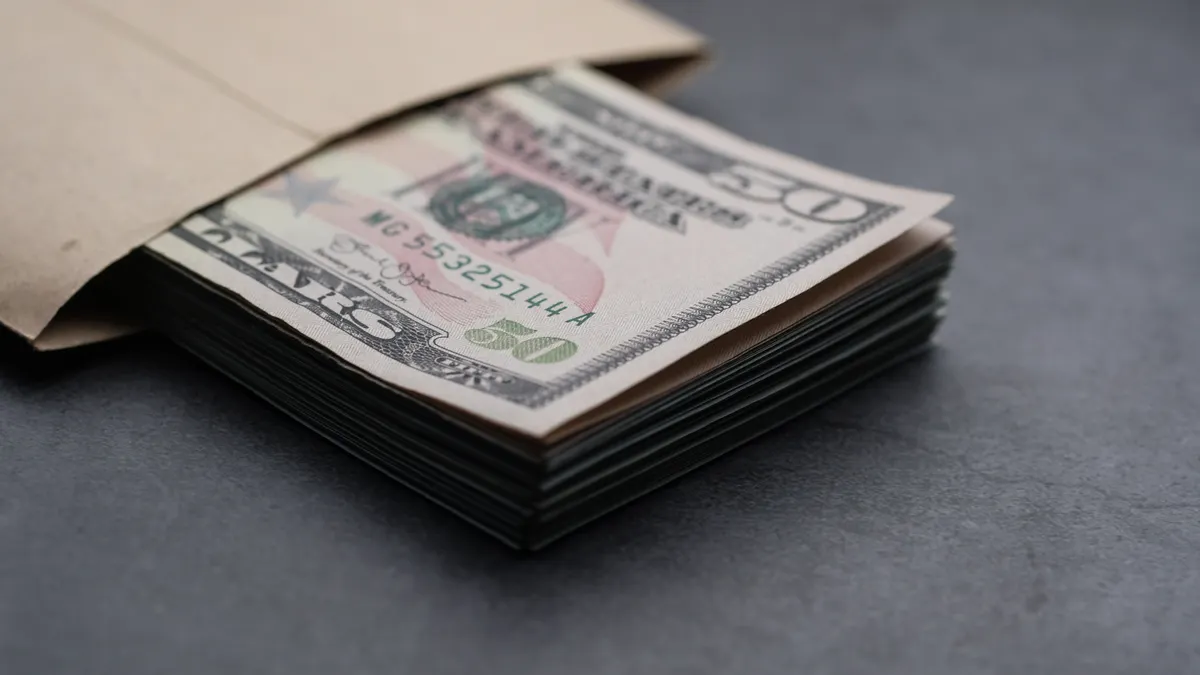
A home cash reserve makes sense for the kind of problem that starts on a Friday night and needs solving before a branch opens on Monday. Think power outages, broken phones, a dead debit card, a rideshare that only takes cash, a plumber who wants a deposit, or a last-minute hotel after a local evacuation order.
The point is speed, not yield. Cash at home does not earn interest, does not protect itself from theft, and can be damaged by fire or flooding if it is stored badly. That is why I would use it as a small front-line reserve, not as the place for your full emergency fund.
A practical rule is to keep enough for 1 to 3 days of urgent expenses, or a few hundred dollars if your life is mostly card-based and close to a bank. If your work, neighborhood, or travel pattern makes cash more useful, the number can be a little higher, but the limit should still be narrow enough that losing it would not wreck your finances.
This article is about the physical cash layer only. It is not the right page for deciding where to keep the rest of your emergency fund; the broader question belongs to the hub on where to keep emergency money.
When a home cash reserve is useful
A home cash reserve is useful when access matters more than convenience features. If your debit card is locked, your internet is down, or the ATM network is interrupted, a bill in your drawer can still buy gas, medicine, food, or transport.
It also helps in places where cash is still part of daily life. Some landlords, small contractors, babysitters, farmers markets, and repair people prefer cash or give a discount for it. In those cases, keeping a few smaller bills can save time when a service call turns into a same-day expense.
Natural disasters are another reason. During storms, wildfires, or extended outages, payment systems can become unreliable long before normal life resumes. A home cash reserve gives you a fallback for 24 to 72 hours when the priority is getting through the disruption, not optimizing your savings location.
The best use cases share one trait: the money may be needed quickly, but the amount is limited. If the expense is likely to be large, delayed, or recurring, cash at home is usually the wrong tool. A stack of bills does not fix an appliance replacement, a major medical bill, or a long stretch of lost income.
A good test is simple: if the problem can be solved with $50, $100, or $300 in physical cash within the next day, home storage starts to make sense. If the problem needs a larger cushion, the cash reserve should probably stay modest and the rest should live somewhere safer and more accessible by other means.
How much cash should I keep at home for emergencies?
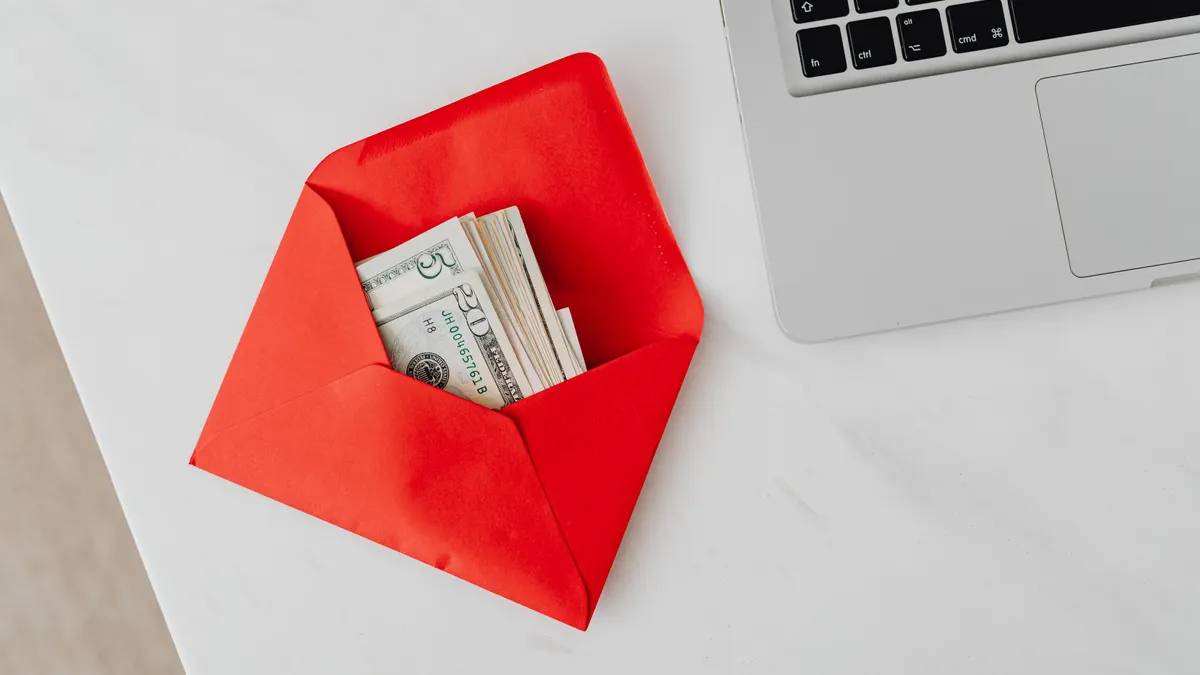
Keep only the amount you would be comfortable losing in a worst-case theft or fire event, then cap it at the amount you are likely to need in the next 1 to 3 days. For many households, that means small bills in the low hundreds rather than thousands.
Here is a practical way to build that reserve:
- List the immediate expenses you might need to cover in cash. Write down two or three realistic items, such as gas, food, medicine, a rideshare, or a hotel night. If the total comes to $80, $150, or $250, that gives you a starting target instead of a guess.
- Choose a cap that matches your routine. A household that pays almost everything by card may only need a few hundred dollars. Someone who buys from cash-only vendors or travels through areas with spotty payment systems may want a slightly higher cap, but still not enough to tempt misuse.
- Split the bills into usable denominations. Keep some $20s, some $10s, and a few $5s. That makes the cash useful for real transactions instead of forcing you to make change in a stressed moment.
- Do not make the home reserve your main savings pile. If the amount starts to feel large enough that you would worry about it every time you leave the house, it is too large for home storage.
- Review the amount after a life change. Moving, working from home, getting a generator, traveling more, or adding a child can change how much cash is sensible. A quick check every 6 months is enough.
The mistake most people make is overfilling the stash because cash feels comforting. That comfort is expensive if the bills are sitting in a drawer instead of a fire-resistant container. The goal is a buffer you can reach fast, not a private vault.
Where to store cash at home without making it easy to lose
Store cash in a fireproof safe or a lockbox that is secured to the home, not in an obvious drawer or kitchen jar. A hidden wallet cash stash can help with quick access, but it should be the smallest layer, not the main storage place; if you are unsure about the best container for your home, consult a professional.
A fireproof safe is the better choice when you care about heat and smoke damage. Look for the term of art “fire-resistant” or “fireproof” on the product, but read the labeling carefully. A box can be marketed as fire-resistant and still be unsuitable for extended heat or for paper documents if it has not been tested under a recognized standard. A UL fire rating or an equivalent standard matters more than the marketing copy, and UL Solutions explains why certified ratings matter for safe selection.
A lockbox is lighter and cheaper, but it usually offers less protection against theft and less protection in a house fire. It works best as a short-term home cash reserve container inside a larger secured location, not as the only line of defense.
A home safe is the strongest option for most people who want cash at home. Bolting it down reduces casual theft, and placing it out of sight reduces temptation. A heavy safe also slows down grab-and-go theft, which is often the real risk in a home burglary.
A few placement rules matter as much as the container:
- Put it somewhere dry.
- Keep it away from obvious master-bedroom locations if that room is the first place an intruder would check.
- Do not leave it where a child can open it easily.
- Avoid damp basements and uninsulated garages unless the safe is specifically rated for that environment.
A cash envelope can still be useful inside the safe. That keeps the bills sorted by denomination and makes it easy to grab a fixed amount without rifling through papers or counting money under pressure. If you use a wallet cash stash for daily backup, keep that amount very small and refill it from the main reserve when needed.
The trade-offs: safety, theft risk, and fireproof storage
Keeping cash at home buys speed, but it gives up protection. That trade-off is the whole decision.
The first risk is theft. A burglar who finds cash can take it instantly, and unlike a bank account, the money cannot be frozen and recovered with a phone call. Even a houseguest, contractor, or family member can create risk if the stash is visible or predictable. That is why plain hiding spots—under mattresses, in cereal boxes, taped inside drawers—are weak choices.
The second risk is fire or water damage. Cash is paper. If it is not protected by a decent fireproof safe, smoke, heat, and suppression water can destroy it quickly. A safe with a real fire rating gives you a much better chance of preserving the reserve, although no container makes cash invulnerable.
The third risk is temptation. A home cash reserve can become spending money if it sits too close to everyday decisions. If you know you will treat a $500 stack as available for random expenses, shrink it or move it out of easy reach. A home reserve should feel available in an emergency and inconvenient in normal life.
The last risk is complacency. Cash at home is not a substitute for having the rest of your emergency fund somewhere safer and more scalable. It is a local backup, the kind of thing that helps with the first 24 hours, not the next 24 weeks.
A simple balance point is this: keep enough cash to solve a small, immediate problem, but not enough that a single loss would hurt your financial plan. For many households, that means a few hundred dollars in a secure place, plus broader savings elsewhere.
When not to keep cash at home
Do not keep much cash at home if a loss would create more stress than the original emergency. If you live with roommates you do not fully trust, have frequent visitors, or cannot secure a safe to the structure of the home, the risk goes up fast.
This is also a poor fit if you are likely to spend the cash just because it is nearby. A reserve that gets raided for dinners, impulse purchases, or convenience purchases is not an emergency fund; it is an untracked wallet. In that case, a smaller amount in cash and a stronger barrier—such as a lockbox inside a fireproof safe—works better.
Skip large home cash holdings if your household already has strong same-day access through other methods and you do not regularly need physical bills. If your expenses are mostly digital and your area has stable banking access, the utility of home cash drops.
It is also not ideal if you are trying to protect a large sum. Paper currency in a house is a weak place for anything that would be painful to lose. A reserve of $100 to $300 has a different risk profile than a reserve of several thousand dollars.
For the rest of the emergency fund, I would send you back to the broader guide on where to keep emergency money. This page is for the small, practical slice that belongs in cash at home, not for replacing the rest of the plan.
A simple setup that works for most people
A good setup is one fireproof safe, one small cash envelope inside it, and one tiny amount of wallet cash for immediate use. That gives you layers instead of a single pile.
Start with a target amount that matches one or two days of bare-bones needs. Put the largest bills in the safe, the medium bills in the envelope, and only a small amount in your wallet if you want quick access on the go. If the safe is bolted down and the envelope is labeled by denomination, you can grab what you need without exposing the whole reserve.
Revisit the setup twice a year or after a major life change. If your cash use drops, reduce the amount. If you move to an area with more outages or more cash-based transactions, adjust upward within reason. A home reserve should change with your life, not harden into a random pile of old bills.
The best version of this system is boring. You know where the money is, you can reach it fast, and you do not have so much of it sitting around that you lose sleep over it.
Is it safe to keep emergency cash at home?
Yes, a small amount is generally safe if it is stored in a secured, fire-resistant container and kept out of obvious sight. The risk comes from large balances, weak hiding spots, and unsecured storage. A home cash reserve is a backup tool, not a place for your full emergency savings.
How much cash should I keep at home for emergencies?
Keep enough for a few immediate needs, not a full rainy-day fund. For many households, that means a few hundred dollars in small bills, sized to cover 1 to 3 days of urgent expenses. If losing it would be a serious setback, the amount is too high for home storage.
Where should I store cash at home?
Store it in a fireproof safe or a secured lockbox, ideally bolted down and kept in a dry, low-visibility place. A cash envelope can help organize small bills inside the container. Avoid obvious spots like drawers, jars, and bedside tables, which are easy to find in a rushed search.
Drafted with AI; not yet reviewed by a person.