Last updated: November 19, 2026
In short: build your emergency fund goal around the car’s age, mileage, and repair history, not around a generic monthly number. This guide on How to Build an Emergency Fund Goal Around a Car That Is Getting Older shows how an older car needs a separate maintenance reserve for predictable wear, plus a replacement plan for the big repair that makes the car uneconomical to keep.
Start with the question an older car forces you to answer
An older car changes the job of your emergency fund because the risk is no longer just “something might break”; it is “which break is worth fixing, and which one is the last one.” A 12-year-old sedan with 140,000 miles and a shaky battery needs a different plan from a 4-year-old hatchback with 38,000 miles and a clean repair record.
The number you are trying to save is not one magic figure. It is a target built from three parts:
- Routine wear you can predict: tires, battery, brakes, fluids, belts, a registration fee, and the kind of car repair a mechanic can usually estimate before work starts.
- Lumpy repair risk: the alternator, starter, transmission service, cooling system, or suspension work that arrives without much warning.
- Replacement timing: the money you need when the car stops being worth another major fix.
That is why a generic “3 to 6 months of expenses” rule can be too blunt for an aging vehicle. If the car is reliable but old, you may need more cash for repairs but not much for immediate replacement. If the car is already unreliable, the fund should stop pretending it is only a repair cushion and start behaving like a replacement fund.
For a broader framework on the rest of your money plan, pair this page with the main guide on how much emergency fund do I need? so the car piece does not crowd out rent, food, or other priorities. For related budgeting advice, see how to save for car repairs, car maintenance budget, and replacement fund.
How much should the car part of the fund be?
The car part should usually be large enough to cover one medium repair, one set of tires, or a battery without forcing you onto a payment plan. That does not mean you must save for every possible failure at once. It means you should set a target that matches the car’s condition and your ability to absorb a bill.
A practical way to think about it is in bands:
- Lower-risk older car: enough for a battery, a couple of routine repairs, and a tire issue at the same time.
- Middle-risk older car: enough for a meaningful repair plus maintenance that may arrive in the next 12 months.
- High-risk older car: enough to cover a substantial portion of a replacement car’s down payment, because a major repair may not be the best use of money.
If you want a single target, use the car’s last 12 to 24 months of repair and maintenance spending as the base. If that number is easy to pull from receipts or a shop history, it is better than guessing. Then add room for one item you know is nearing the end of its life. A battery that is already old, tires with low tread, or brakes that have been mentioned by a mechanic should push the target upward.
One honest trade-off: a larger car fund can slow down other goals. That is not a flaw in the math; it is the cost of driving an aging vehicle. What is usually wrong is underfunding the car and then raiding rent money or a general cash buffer when the vehicle needs work.
For a quick benchmark, AAA has estimated annual vehicle ownership costs in the thousands of dollars, and the U.S. Department of Transportation reports the average vehicle age in the U.S. is more than 12 years, which is one reason older-car planning needs a dedicated buffer. See AAA’s Driving Costs research and the Bureau of Transportation Statistics vehicle age data.
Build the target from your car’s actual weak points
The right target comes from the car’s specific weak points, not from a national average or a guess. Two cars with the same make can have very different needs depending on mileage, climate, maintenance history, and whether the owner has kept up with basic service.
Because of that, start with the facts you can verify.
- List the car’s age, mileage, and known issues. Write down the model year, current mileage, and anything a mechanic has already flagged, such as tires nearing replacement, an aging battery, or an oil leak. The result is a short risk list instead of a vague feeling that the car is “old.”
- Pull the last 12 to 24 months of car spending. Add what you spent on repair visits, oil changes, tires, registration, and any major service. If the car has seen no major work, that is useful too; it may mean the next 12 months are more likely to be expensive, not less.
- Separate predictable items from surprise items. Tires, a battery, and registration are scheduled or semi-scheduled costs. A transmission problem or starter failure is not. This split keeps you from double-counting the same money twice.
- Set one maintenance reserve target and one repair target. A simple method is to save one amount for normal wear and a second amount for the next real repair. If you know the car is due for tires soon, put that in the first bucket, not the second.
- Decide when replacement is the better answer. If the likely repair is close to the car’s practical value, shift part of the target toward replacement. A car that needs a major fix while also needing tires, registration, and a battery is often a sign to stop treating every problem as a repair problem; if you are unsure, consult a mechanic.
The point of this method is clarity. When the fund has labels, you do not panic when one bill arrives. You know whether you are using the tire money, the repair money, or the replacement money.
A mechanic can help with this step if you are not sure what is likely next. Ask for the next 6 to 12 months of expected work, not just today’s repair estimate. That gives you a better target than a one-off quote.
What belongs in the maintenance reserve for an older vehicle?
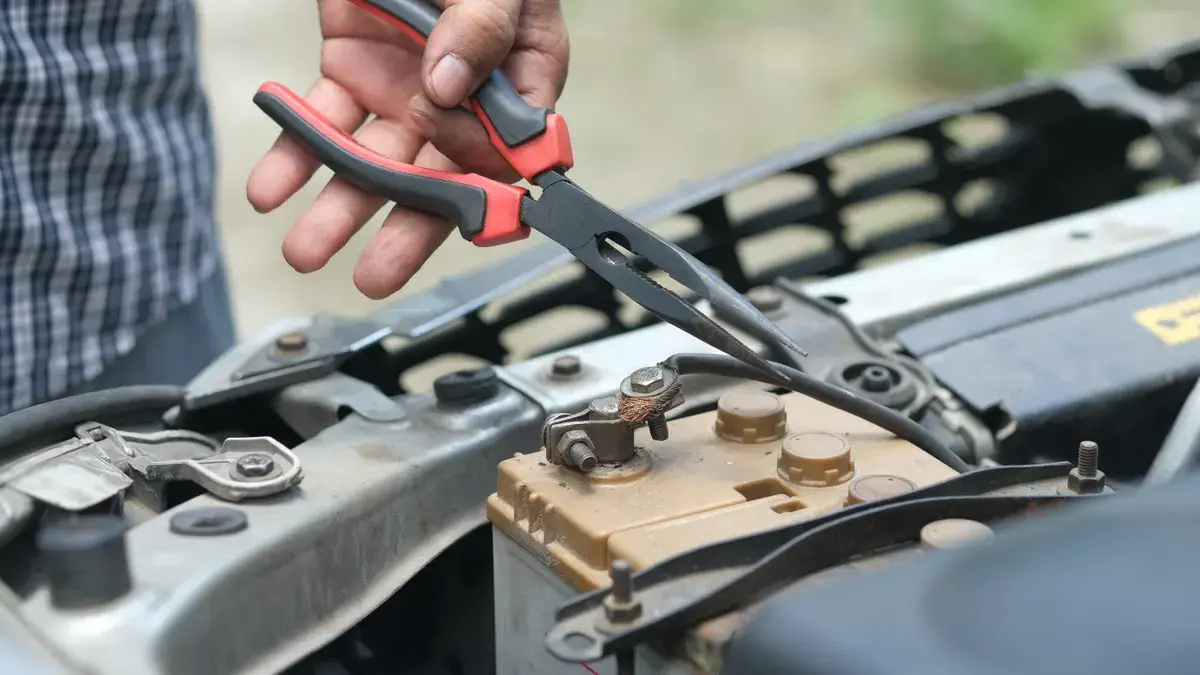
The maintenance reserve should cover the things that wear out on schedule or close to it. That includes tires, a battery, brakes, fluid service, wipers, registration, and the smaller car repair items that do not feel like emergencies until they land in the same month.
Here is where people get tripped up: they mix ordinary ownership costs into the emergency fund only after they have already spent the money elsewhere. That leaves the fund looking too small. If your battery is 4 to 6 years old, your tires are getting thin, or your registration renewal is due soon, those are not random shocks. They are planned expenses with flexible timing, and they belong in the car reserve before the deadline.
A clean way to handle this is to keep a maintenance bucket inside the larger emergency fund goal. The bucket should be ready for:
- tires with legal tread but reduced life
- a battery near the end of its normal service window
- brake pads or rotors when a mechanic says they are close
- registration renewal
- routine fluids and filters
- minor repairs that do not threaten the whole car
This bucket has a real advantage: it keeps a small, annoying bill from becoming a big financial mess. A $200 to $400 battery bill is not a catastrophe by itself, but it can become one if the account is empty.
The drawback is that a maintenance reserve can lull you into thinking the car is safe for another year when it is not. If the reserve keeps getting drained for one issue after another, the car may be moving from “needs upkeep” to “needs replacement.” That is the point where the fund’s purpose should change.
When does an older car stop being a repair and become a replacement plan?
An older car stops being just a repair problem when one major failure would not make financial sense to fix. That is the key judgment call. If the car needs a large repair and also has tires near the end of their life, a weak battery, and overdue registration, the total cost can outrun the value of keeping it.
This is not about emotion. It is about what happens after the repair. A car can come back from a major fix and still be a bad bet if the rest of the vehicle is worn out. A good replacement plan asks three questions:
- What is the next likely expensive failure?
- How long would the repair buy you?
- Would that money be better used as the start of a replacement fund?
If the answer to the second question is “not long,” you are probably better off shifting cash from a repair reserve to a replacement reserve. That reserve should not be confused with a full car purchase budget. It is the money that lets you act quickly if the older car fails at the wrong time.
A useful standard is to think in terms of decision points, not abstract age. A 15-year-old car with careful maintenance may still justify repair. A 9-year-old car with repeated failures may justify replacement planning now. Mileage matters, but repair pattern matters more.
This is the part many generic articles miss: an emergency fund for an older car is not always about keeping the car alive. Sometimes it is about getting you out of the car at the right time.
How should tire, battery, and registration costs shape the goal?
Tires, battery, and registration should shape the goal because they are the first costs that expose whether you are funding the car at the right level or just hoping it keeps going. These three items arrive on different schedules, but they can cluster badly.
Tires are the biggest of the three for many drivers. If the tread is thin or the sidewalls are cracked, the replacement is not optional. A battery is smaller but more sudden; it can fail on a cold morning and turn a working car into a dead one overnight. Registration is predictable, but it still hurts if the due date arrives in the same month as a repair.
A practical planning rule is this: if any one of those items would force you to borrow or carry a balance, your car fund is too small. The goal is not to avoid every bill. The goal is to avoid turning routine ownership into debt.
You can also use these items to set timing. If the tires may need replacing within 12 months, start saving monthly now instead of waiting for the shop to confirm it. If the battery is old enough that the mechanic has already mentioned it, treat it as a near-term cost, but confirm the timing with a professional.
This is a good place to say who this approach is not for: if your car is already unreliable enough that you would not feel comfortable driving it far from home, a maintenance reserve alone is not enough. At that point, the better goal is a replacement fund with a hard deadline.
What backup transportation should be part of the plan?
Your emergency fund should include a backup transportation plan because an older car can fail in a way that stops the car without warning. That backup does not have to be elaborate, but it should be real. A tow, a rideshare, a bus pass, a borrowed ride, or a short rental can keep one car problem from becoming a life problem.
This is where many people underbudget. They save for the repair itself but forget the cost of getting to work, school, or the grocery store while the car sits in a shop for 2 to 5 days. Even if the car is repairable, the downtime has a price.
Build the backup into the goal by asking:
- How will I get to work if the car is in the shop tomorrow?
- How much would a tow or roadside help cost me if I need it?
- Do I need enough cash for 2 days, 1 week, or longer without the car?
The answer may be simple. If you live where buses run well, a small transit cushion may be enough. If you commute far or live where alternatives are thin, the fund needs more room.
The honest downside is that this money may sit unused for a long time. That can feel inefficient. But backup transportation is part of the real cost of owning an older vehicle, and it keeps you from making a bad repair decision under pressure.
Put the fund on a schedule, not on hope
The emergency fund works best when you give it a date and a review rhythm. A yearly review is enough for many drivers, but an older car may need a quicker check every 6 months, especially after winter, a long trip, or a major repair.
A simple schedule looks like this:
- Every month: add a fixed amount to the car reserve.
- Every 6 months: review tires, battery age, registration timing, and any mechanic notes.
- Every 12 months: decide whether the car is still a repair candidate or has become a replacement candidate.
That review keeps the fund from drifting. It also prevents the common mistake of saving a flat amount that made sense two years ago but no longer fits the car’s age.
If you want a clean rule of thumb, increase the car goal when the vehicle crosses one of these lines: a known repair is pending, tires are nearing the end of their life, the battery is old, or the repair history has become frequent. Lower the target only if you have recent evidence that the car is stable and the big wear items are fresh.
The value of this approach is not perfection. It is control. An older car will always carry some repair risk. A good emergency fund turns that risk into a number you can actually manage. The same review rhythm also helps you notice when the car reserve should become a replacement reserve instead of a repair cushion.
Key Takeaways
- An older car needs a fund built around repair risk, wear items, and replacement timing, not a generic savings target.
- Tires, battery, and registration are part of the plan, not side notes.
- A mechanic’s input is most useful when you ask what is likely in the next 6 to 12 months.
- If major repairs keep arriving, the right move may be to shift from repair savings to replacement savings.
- Backup transportation matters because a car can be unavailable even when it is fixable.
Should I save extra for an old car in my emergency fund?
Yes, if the car is older enough that one repair could hit at the same time as tires, a battery, or registration. That extra cushion should reflect the car’s history, not just its age. If the car has been stable for 12 to 24 months, the cushion can be smaller than for one that visits the mechanic often.
How do I budget for car repairs without creating a separate fund?
Budget for car repairs by folding them into your main emergency fund and labeling a portion of that money as the car reserve. A monthly transfer is easier than trying to catch up after a breakdown. If you need help deciding the number, consult a mechanic and review the last 12 to 24 months of car spending.
Drafted with AI; not yet reviewed by a person.